Boulevard Maisonneuve
A Major Transportation Spine that Fundamentally Altered Downtown Hull during 1970s Urban Renewal Schemes
-
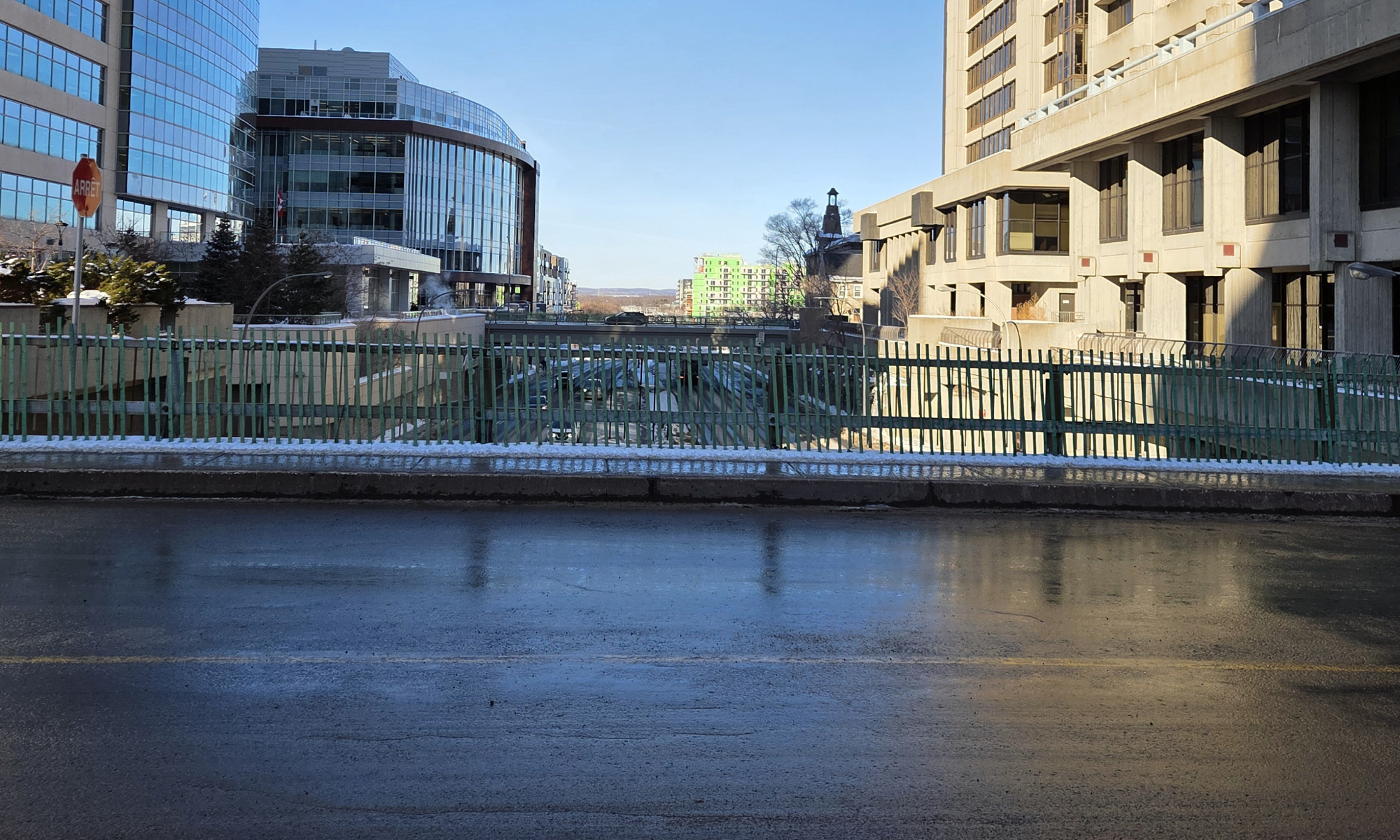
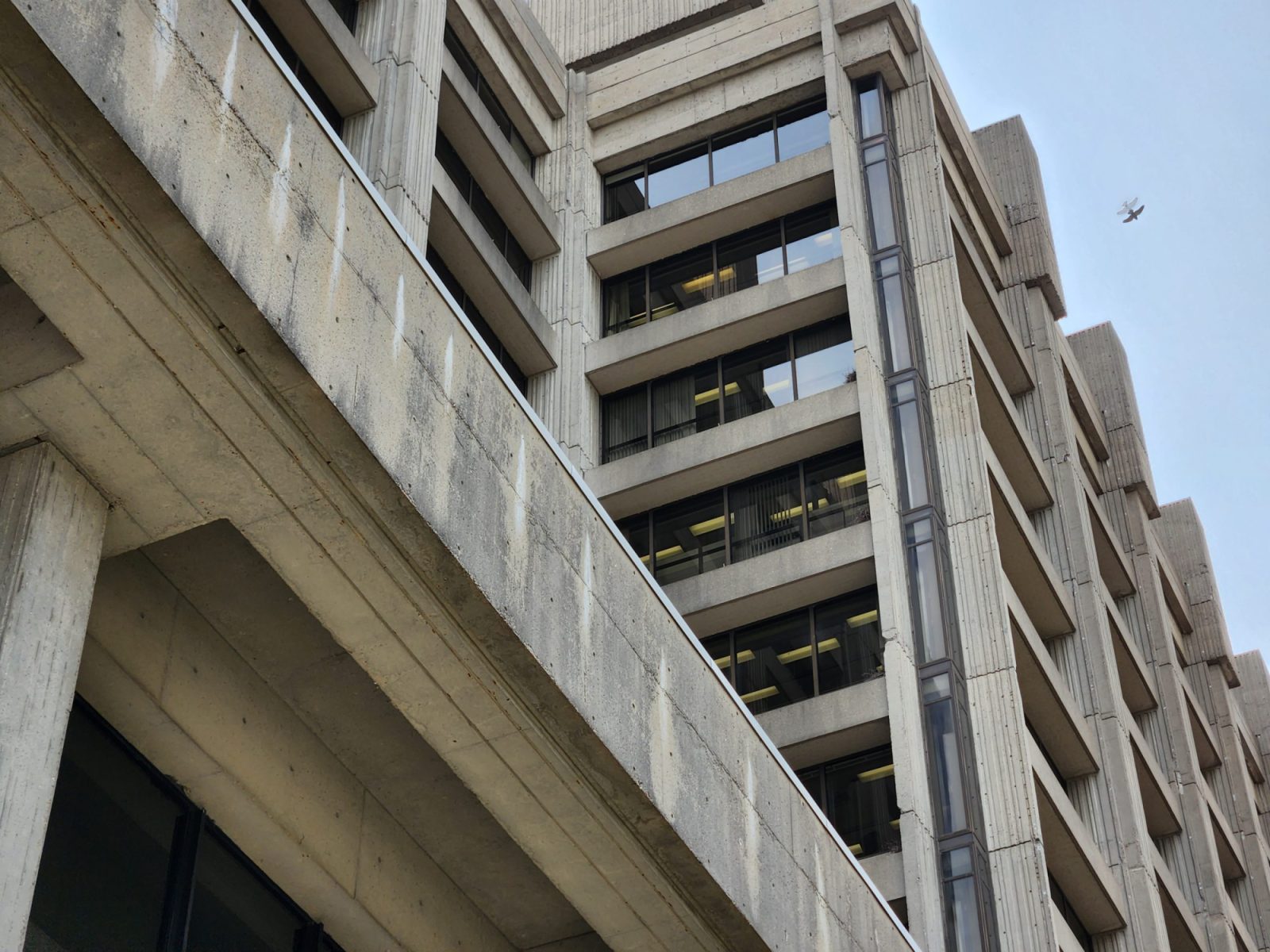
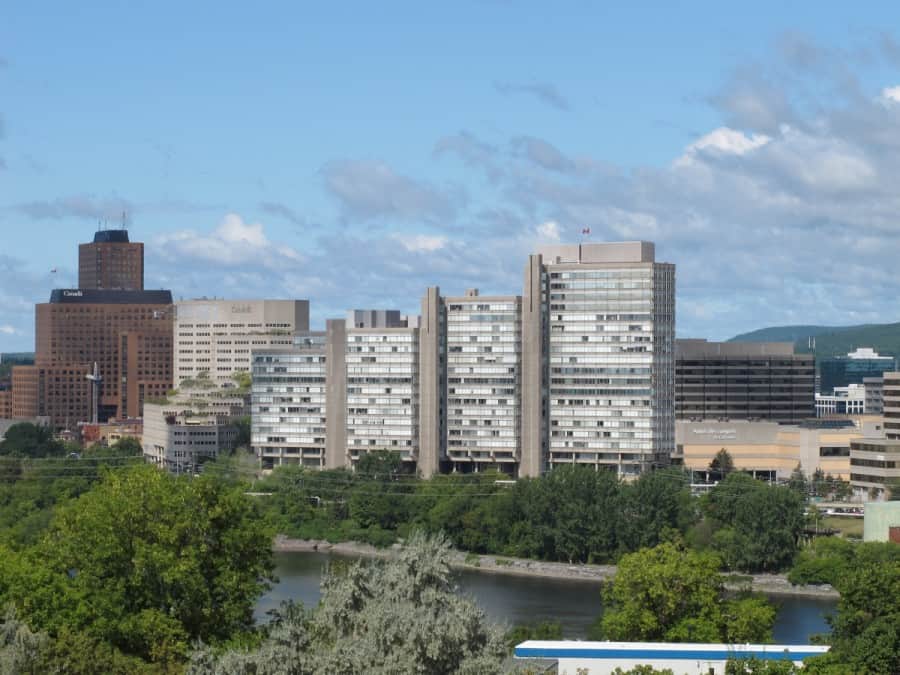
Looking north from rue de l'Hotel de Ville with Place du Portage 1 and 2 on the right
-
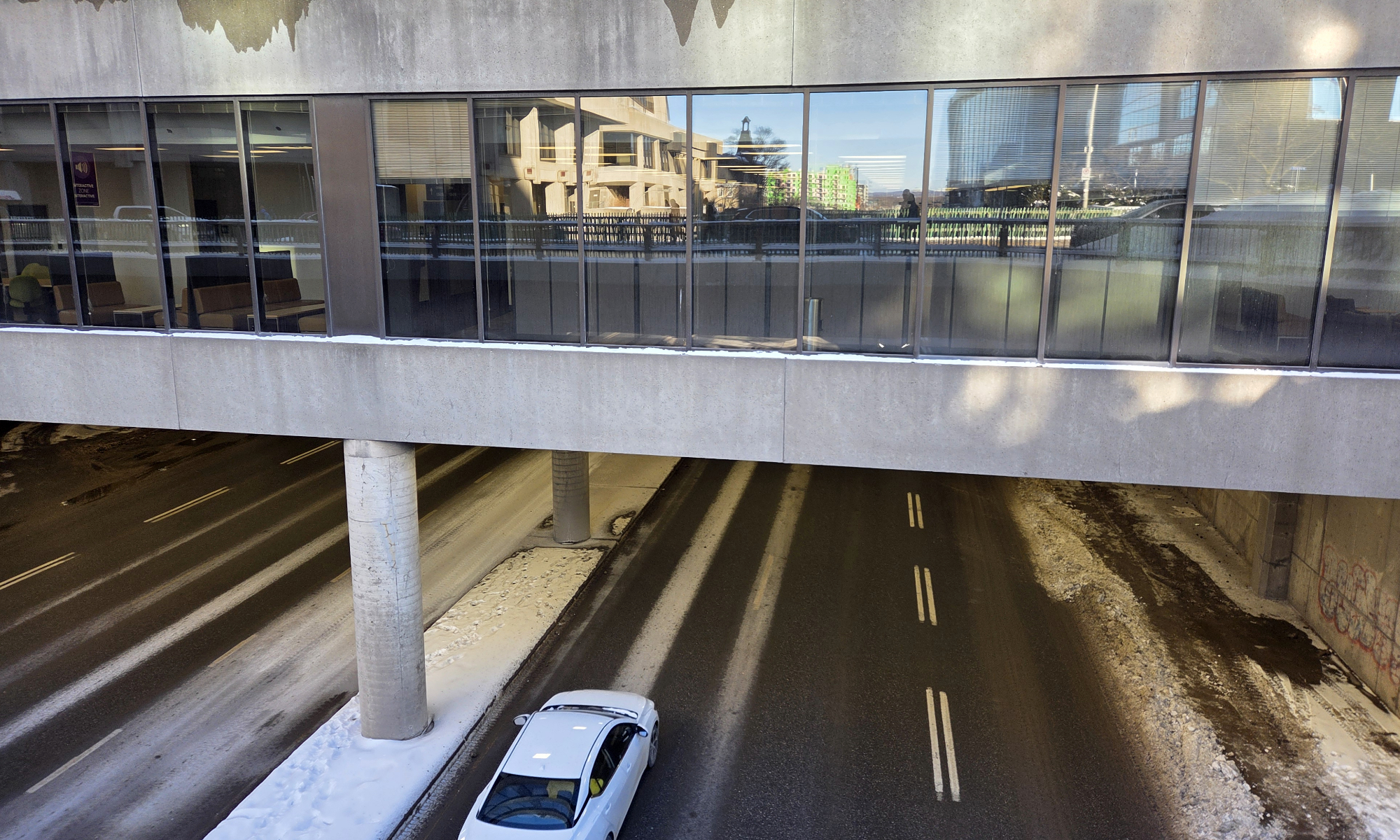
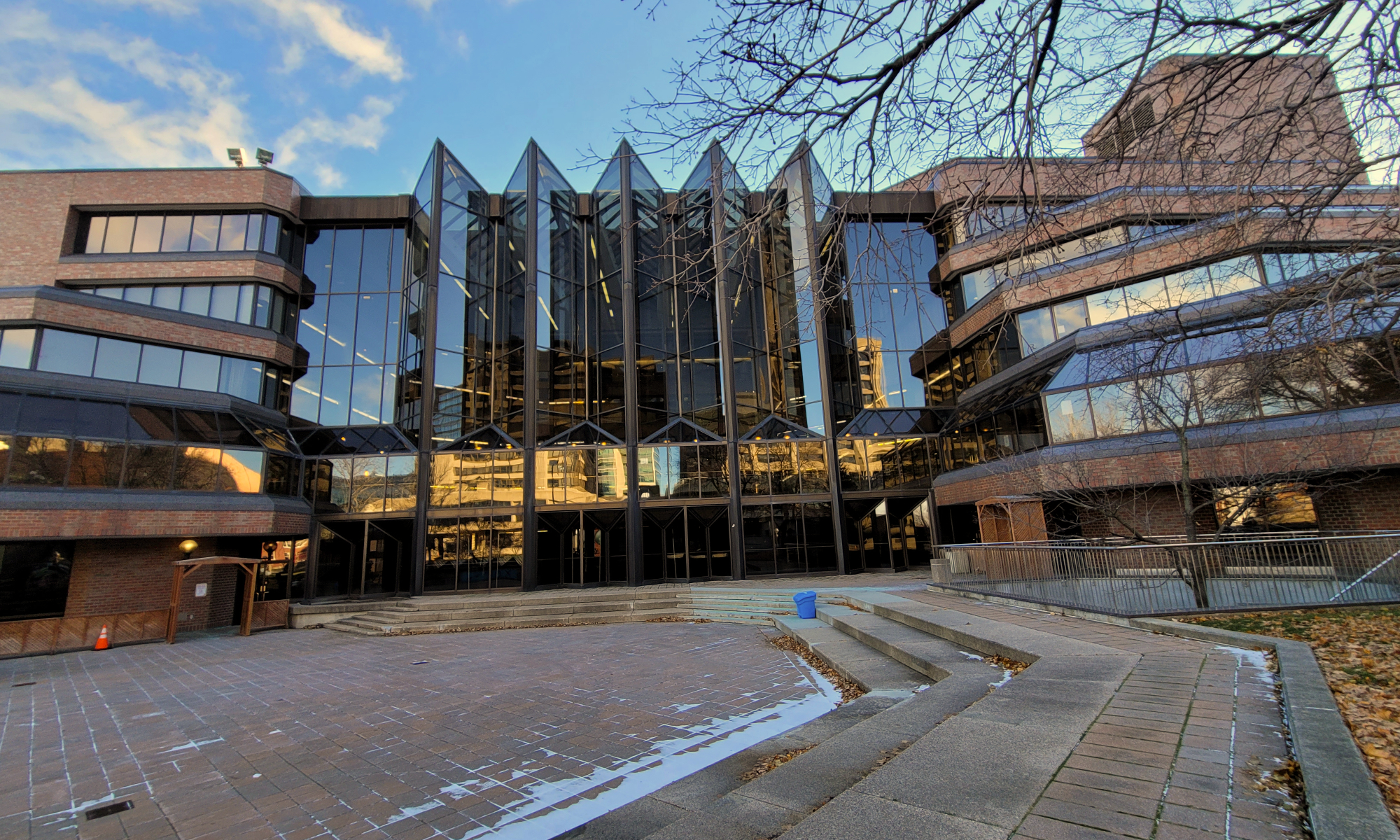
Looking south towards the Place du Centre above boulevard Maisonneuve
-
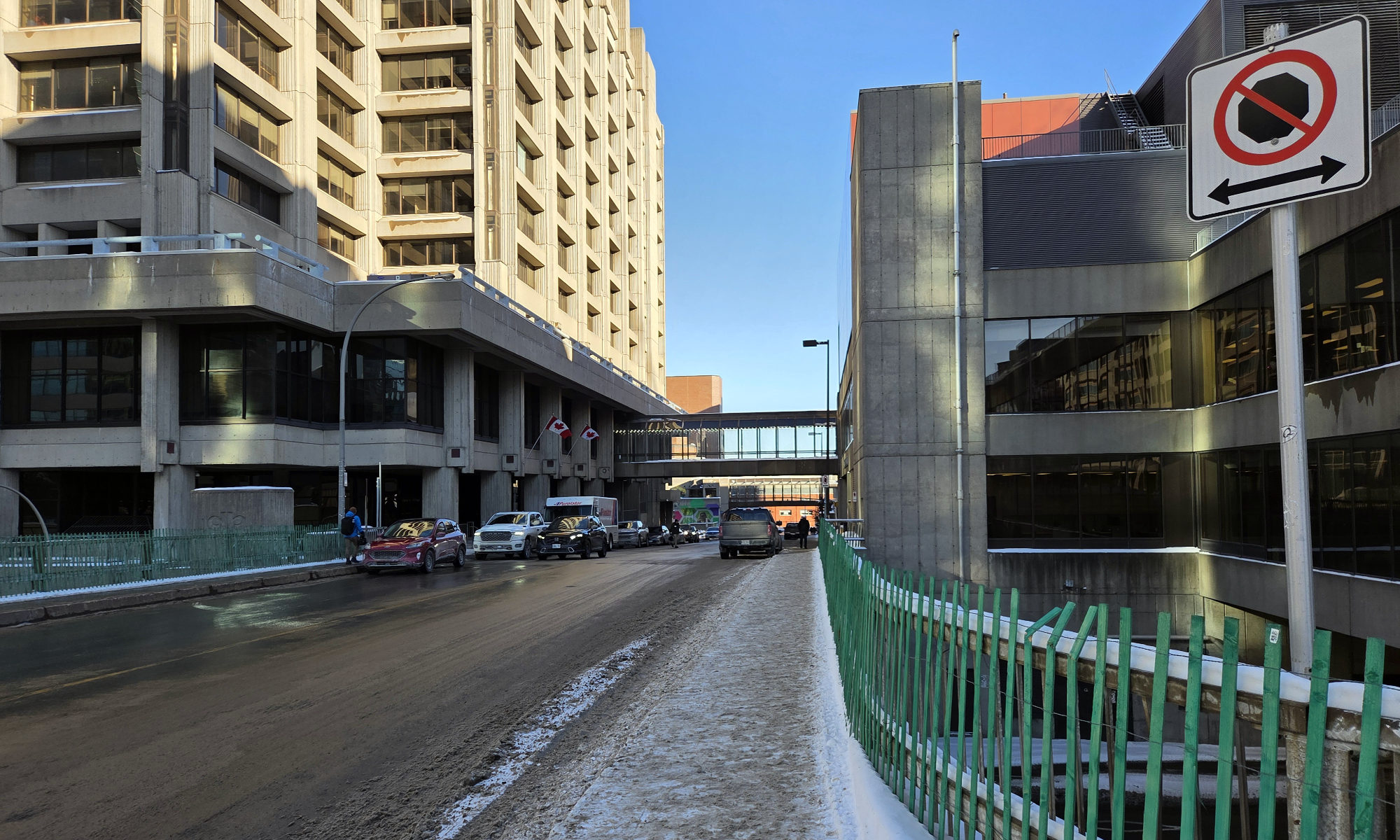
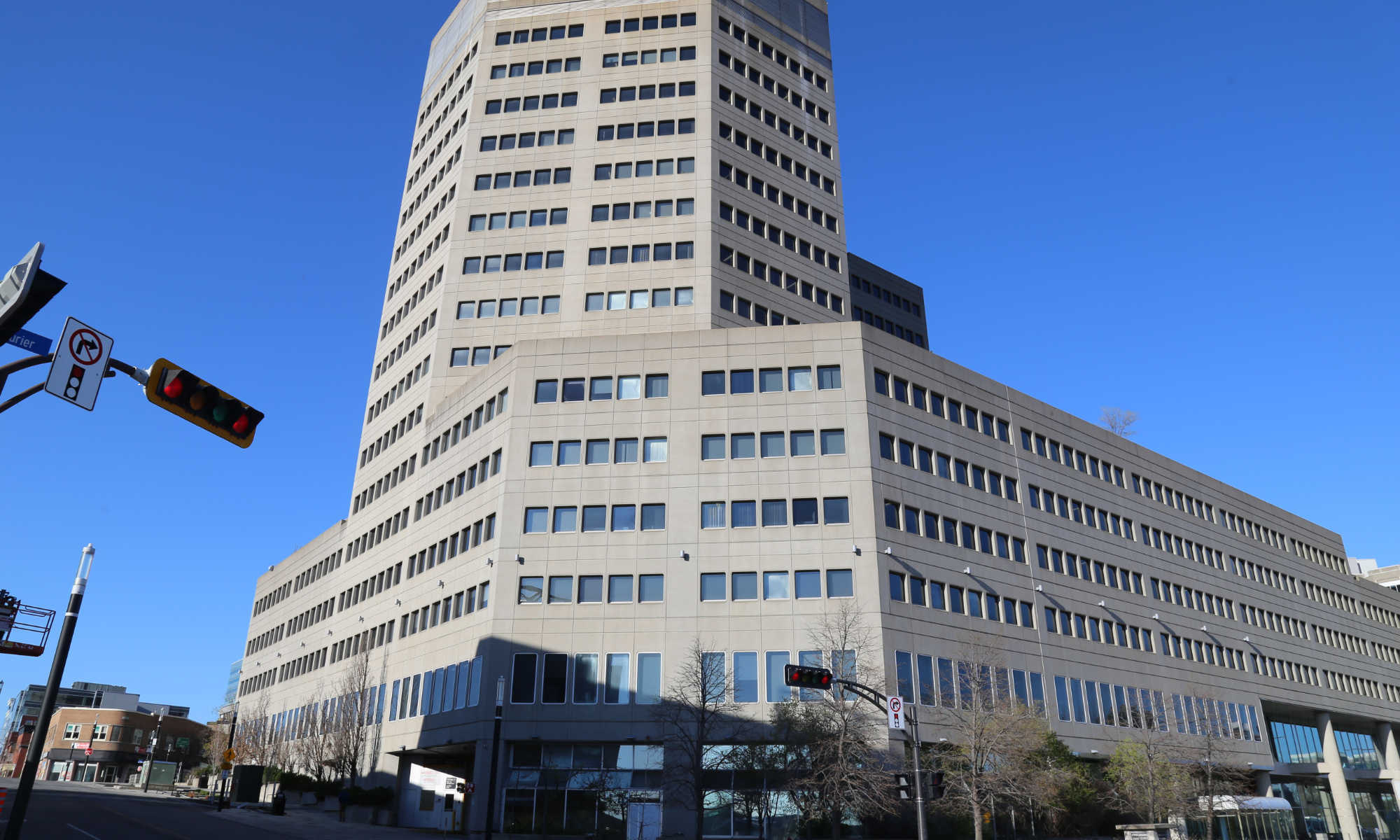
Looking east down rue de l'Hotel de Ville, one the cross streets spanning boulevard Maisonneuve
-
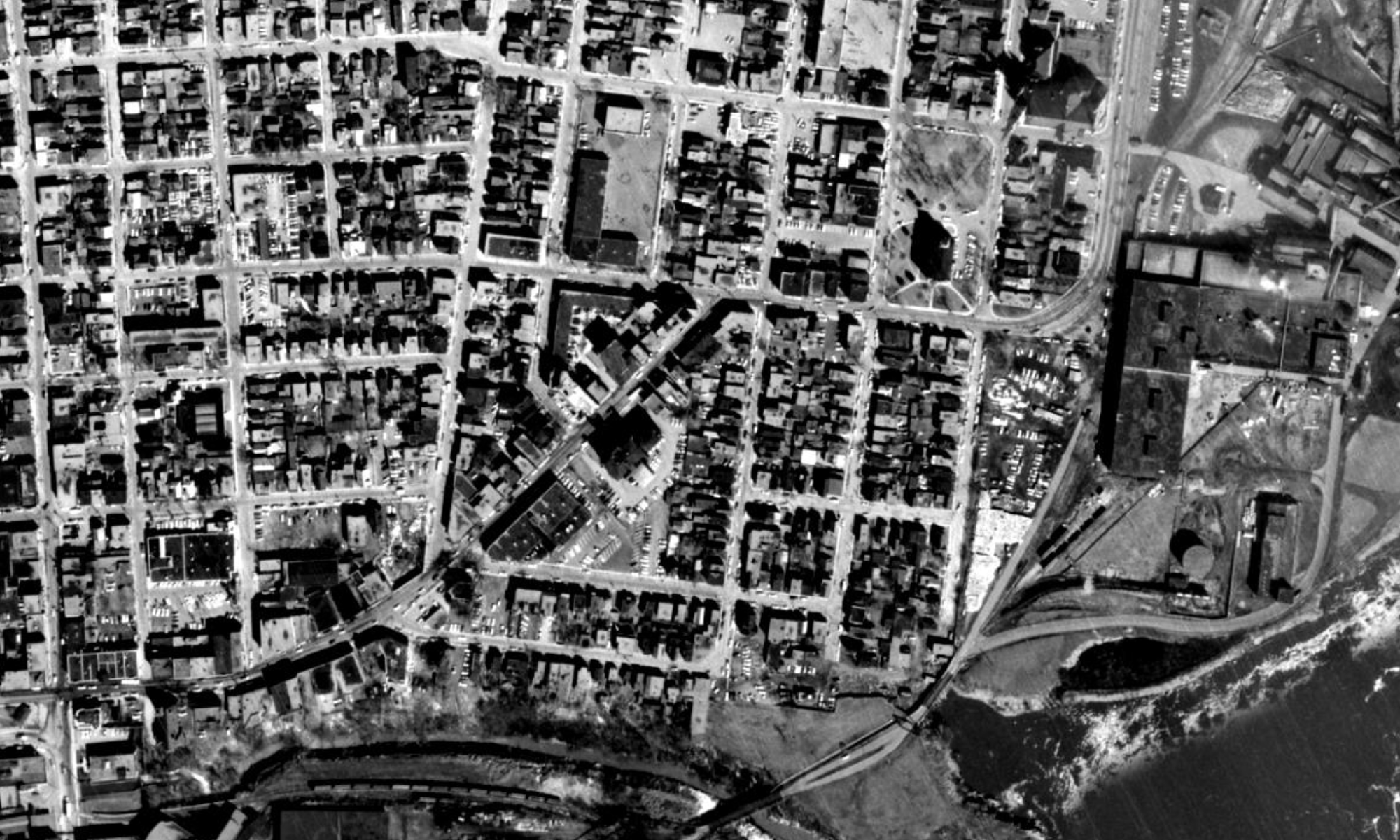
Downtown Hull prior to the construction of the Place du Portage complexes and boulevard Maisonneuve
-
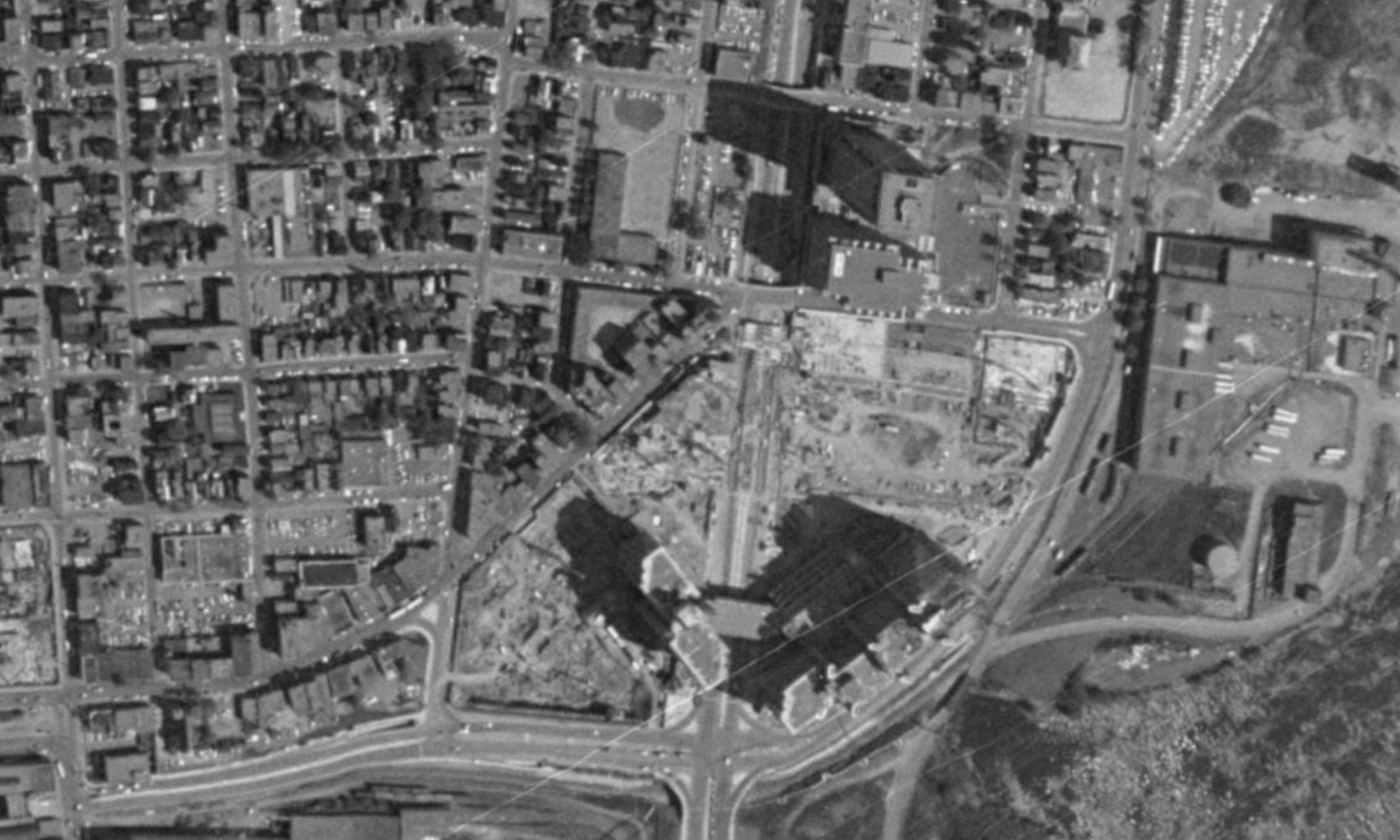
On-going construction of boulevard Maisonneuve along with Place du Centre and Place du Portage 4
Boulevard Maisonneuve, Gatineau, QC
Place du Portage
Gatineau
Infrastructure
Province of Quebec
1978
Boulevard Maisonneuve in Gatineau is a major east-west arterial that emerged in the 1960s and 1970s as part of a broader federal and municipal effort to modernize and expand the Hull sector during a period of rapid growth in the National Capital Region. Originally a residential neighbourhood composed of early 20th-century housing and small-scale commercial buildings, the corridor was subject to large-scale expropriation and demolition to accommodate a new high-capacity roadway intended to support increasing commuter traffic between Quebec and Ottawa. The construction of the boulevard coincided with the development of major federal office complexes such as Place du Portage, whose multi-tower composition was deliberately positioned along and across the route to establish a monumental institutional frontage and define Boulevard Maisonneuve as a new administrative spine. In particular, Place du Portage Phase III straddles the boulevard in stepped blocks connected by an elevated link and incorporates Place d’Accueil as a transportation hub, reinforcing the corridor not simply as a roadway but as an integrated piece of federal urban infrastructure. Together with associated civic and commercial development, these interventions fundamentally reshaped the urban fabric, replacing a fine-grained residential district with large-format buildings, superblocks, and a more infrastructure-driven environment. This transformation reflects a broader urban renewal agenda that prioritized vehicular movement, federal presence, and economic restructuring, contributing to the shift of downtown Hull from an industrial and residential area to a government-dominated administrative centre.
Today, Boulevard Maisonneuve functions as an integral transportation spine linking the interprovincial bridge network and regional highway system, directly connecting the Portage Bridge to Autoroutes 5 and 50 while also providing access to the Alexandra and Macdonald-Cartier bridges via connecting routes. As a six-lane corridor in key segments, it supports high volumes of commuter traffic and integrates transit functions through Place d’Accueil and adjacent connections within the Place du Portage complex, reinforcing its role as a gateway between Gatineau and downtown Ottawa. The scale and positioning of buildings along the route continue to express this history: large federal office blocks and commercial podiums line prominent sections of the boulevard, while more recent condominium and mixed-use residential projects occupy other stretches, creating a transition between institutional megastructures and a re-emerging residential downtown. This pattern has had lasting effects on downtown Hull by concentrating employment and investment along the corridor, but also by introducing a street environment defined for decades by deep setbacks, large building footprints, structured circulation, and limited continuity with the finer-grained streets of the former neighbourhood. Over time, landscaping, wider sidewalks, planting, and newer infill development have softened some of these conditions and helped restore a more urban pedestrian scale, yet the boulevard still clearly reflects its origins as a modern renewal project whose alignment, building massing, and transportation infrastructure continue to influence land use, development character, and the overall structure of downtown Gatineau.