Le Phare Elementary School
A pod school for French immersion learning that remains relevant after more than half a century
-
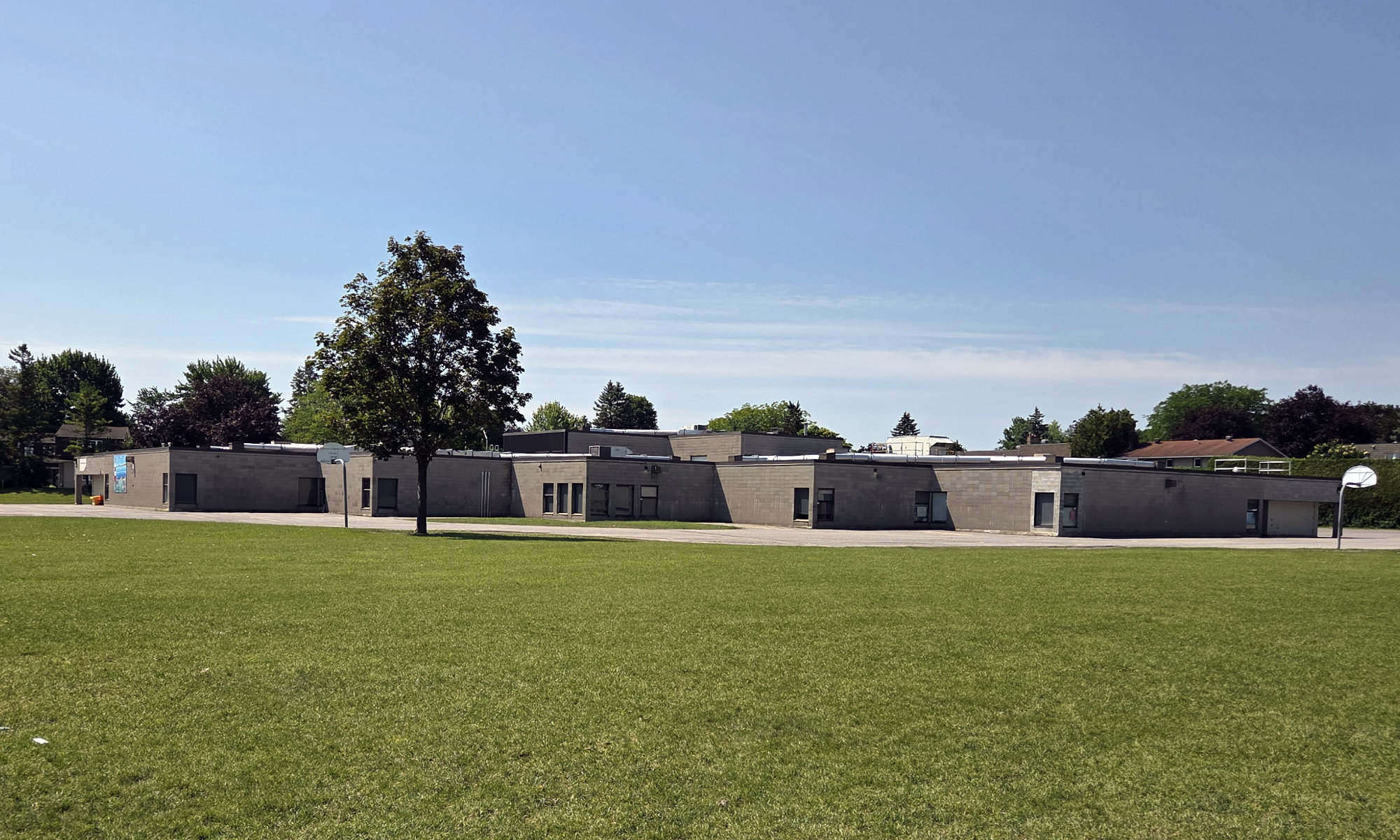
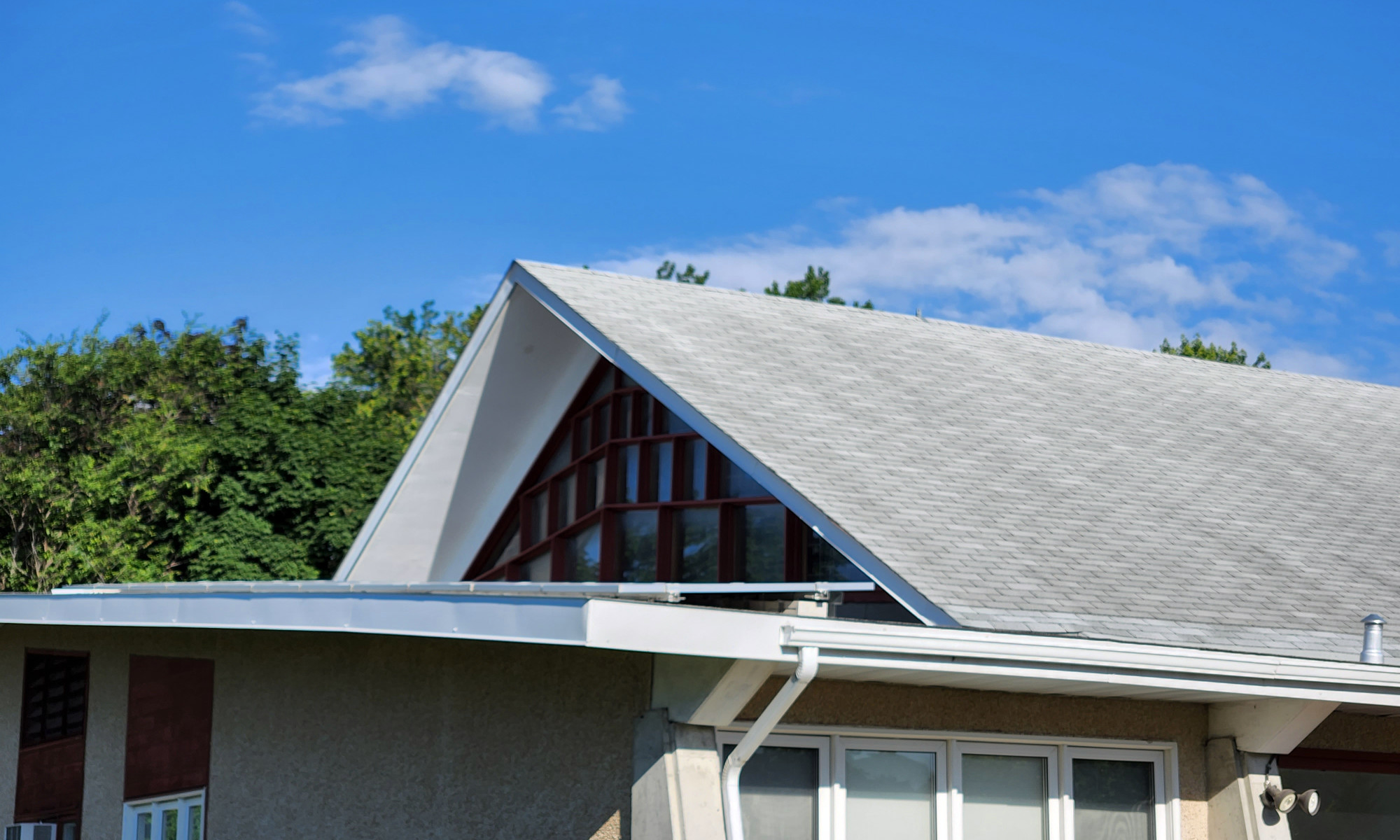
Looking at the east elevation and the articulation of the building that unfolds diagonally across the centre
-
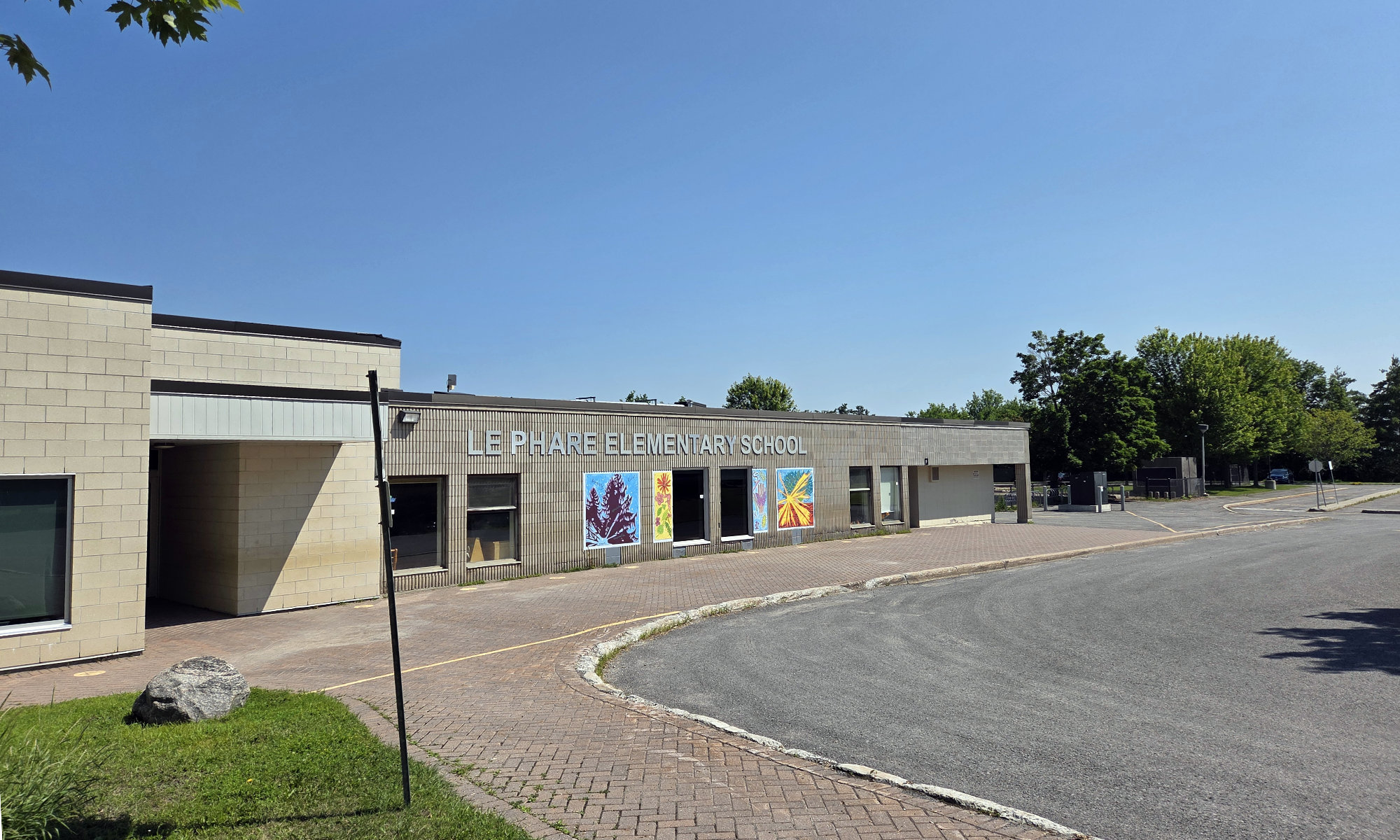
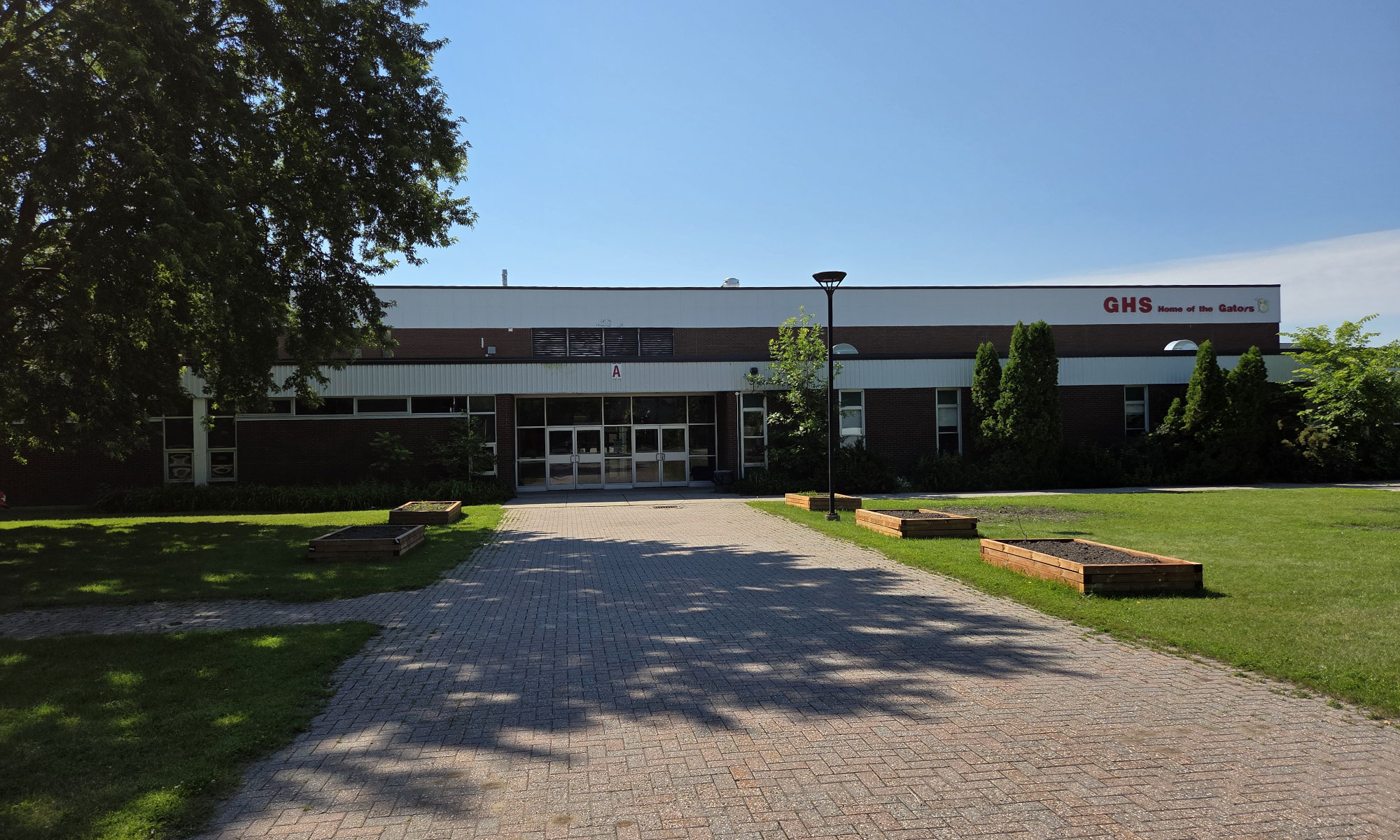
Looking east across the main street elevation
-
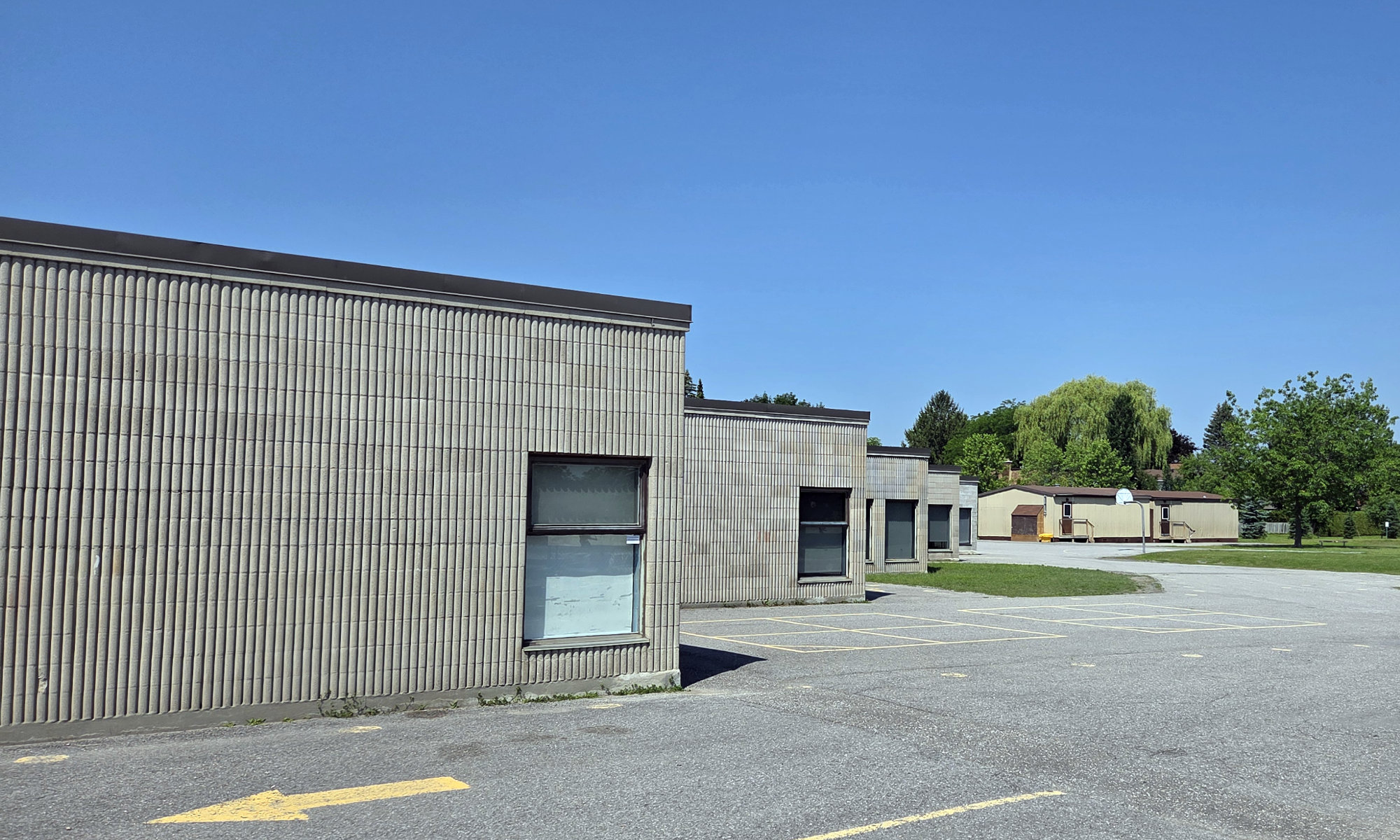
Looking northwest along the edge of the east classroom wing
-
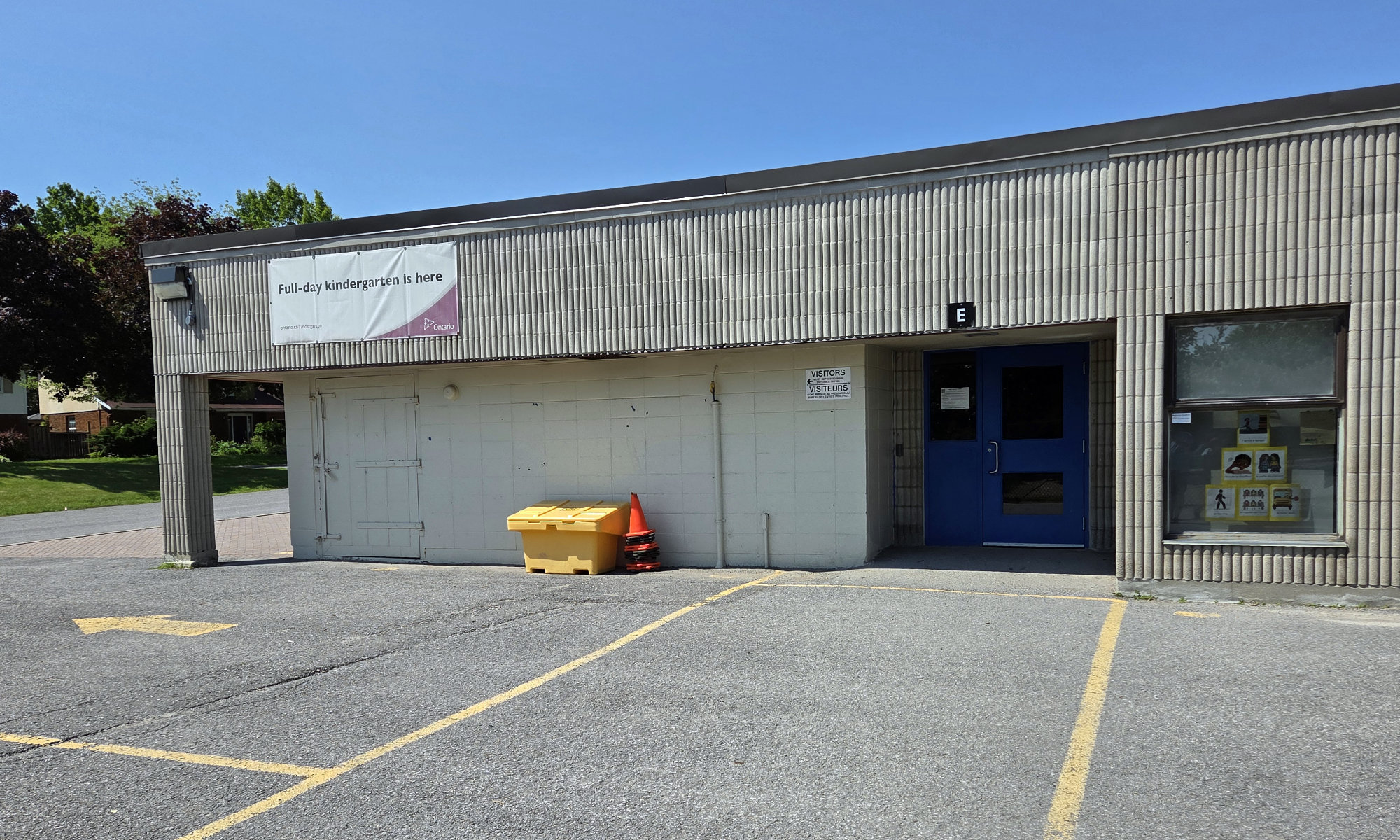
Southeast entry/exit
-
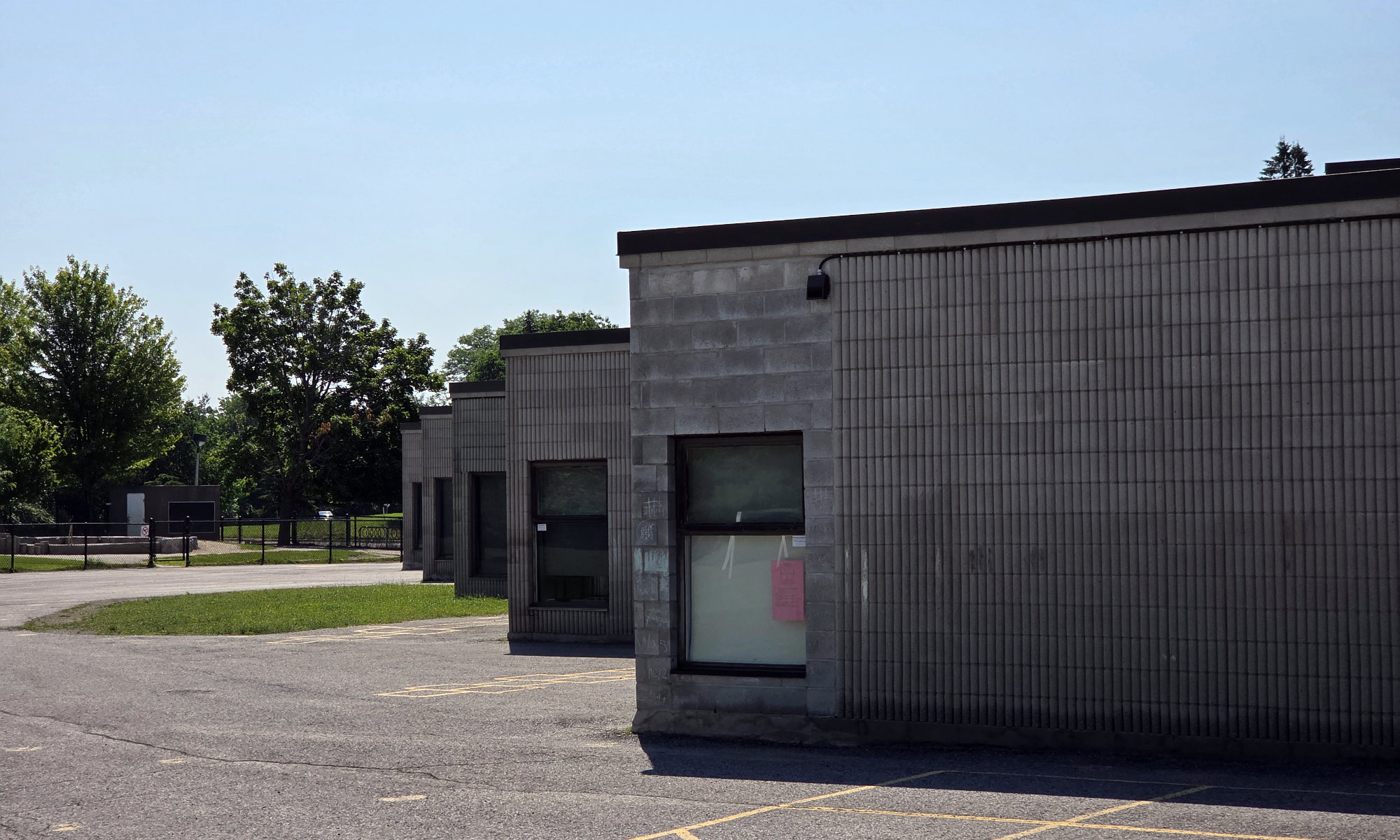
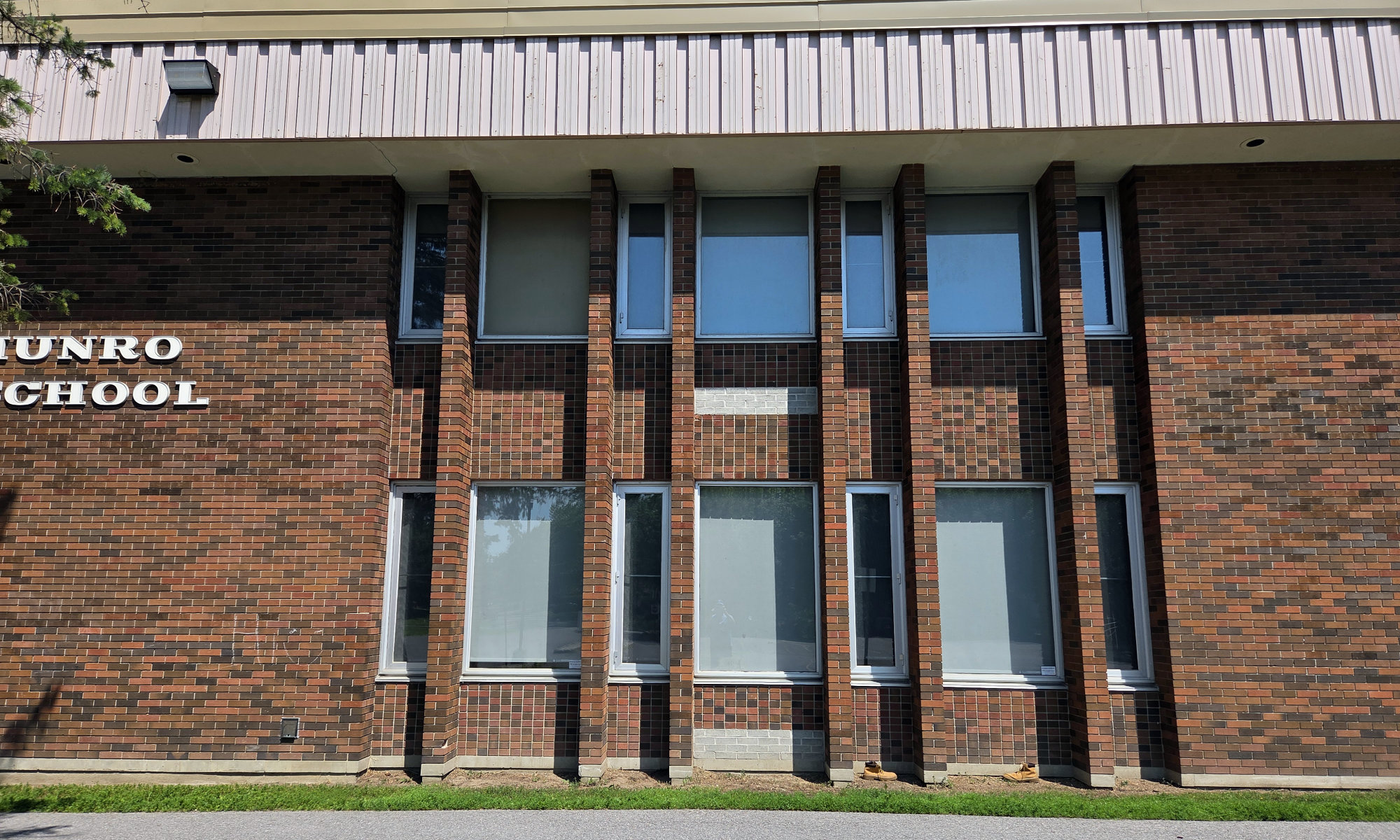
Looking south along the east edge of the school highlighting the exterior articulation and consistent placement of corner windows
-
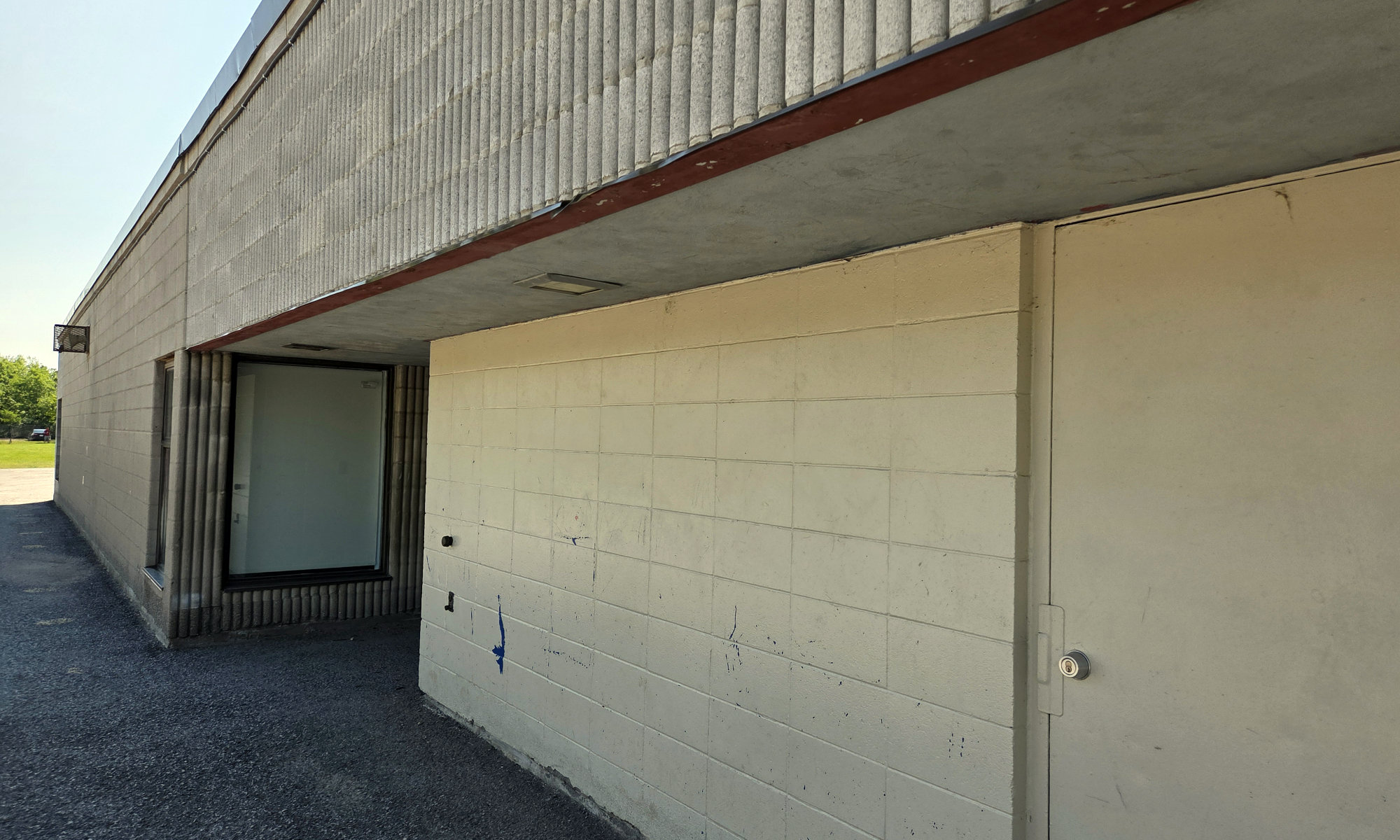
Northwest exit
-
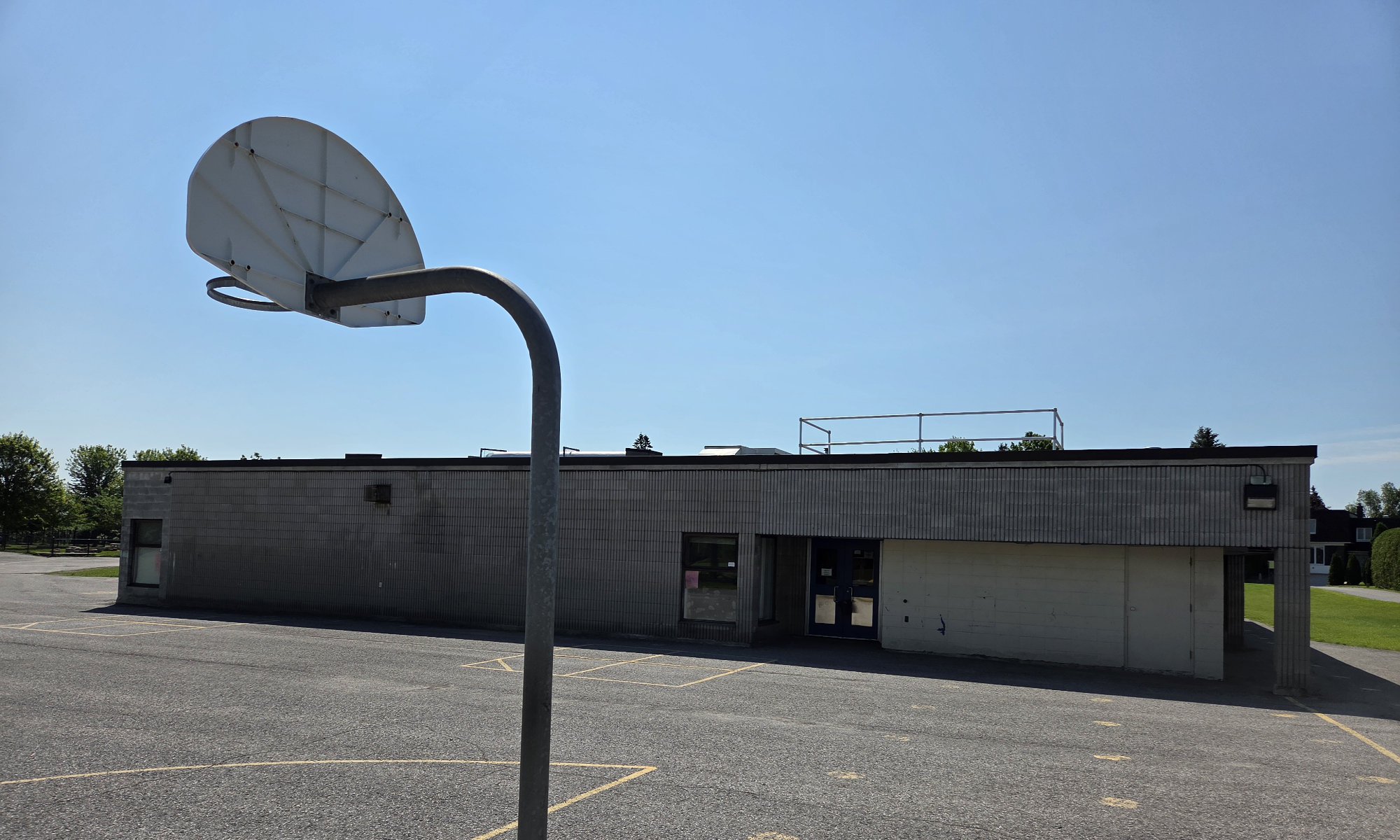
North elevation of the school
-
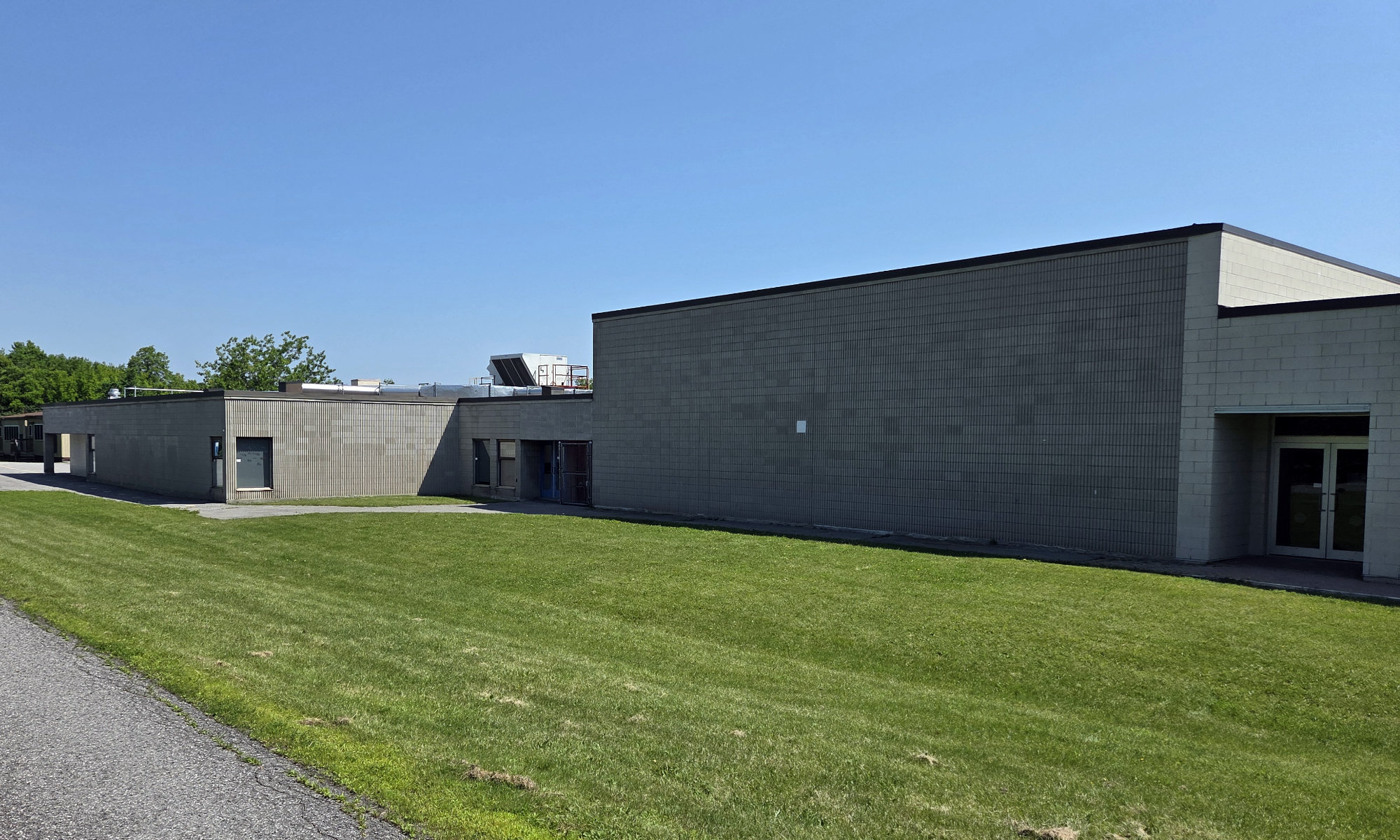
West elevation with the larger volume of the gym visible in front of the west classroom area
-
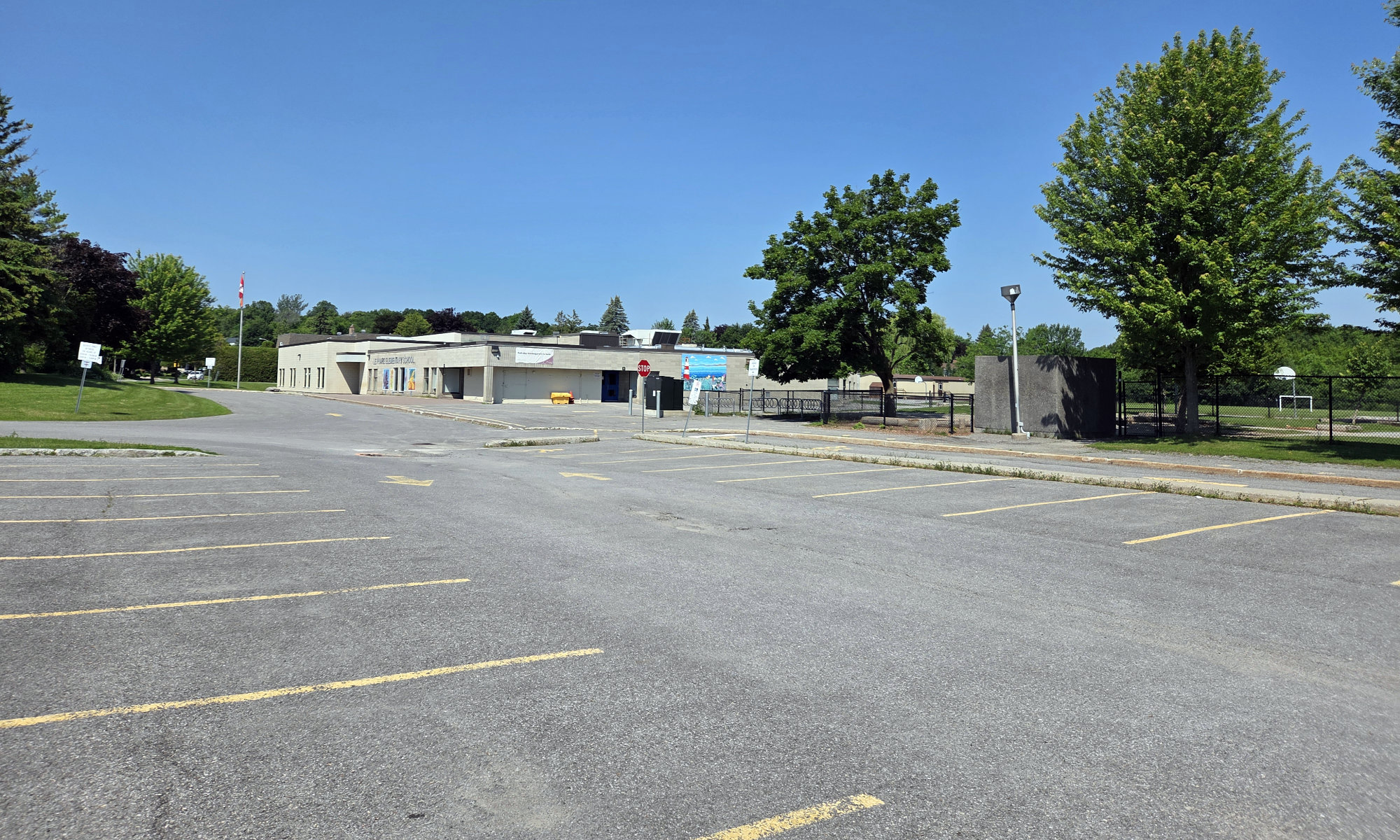
Looking west towards the school from the adjacent parking lot highlighting the very low profile of the building
1965 Naskapi Drive, Ottawa, ON
Ottawa Inner Urban
Education
Eriksson Padolsky
1975
Le Phare Elementary School, located at 1965 Naskapi Drive in Ottawa, opened in the mid-1970s and is recognized as the first purpose-built Early French Immersion school in Canada. Its design represents an important moment in the evolution of Canadian school planning, where a new educational model was translated into a purpose-designed architectural setting. The immersion program directly influenced the organization of the building, particularly through the need to provide students with focused learning environments suited to instruction in a second language. This led to the use of enclosed classrooms rather than the open classroom model explored in other schools of the same period.
The school is organized around a pod-based plan, with classrooms grouped to create smaller learning communities within the larger building. At the centre of this arrangement is an amphitheatre-like shared space that provides a strong internal focus and a place for gathering, movement, and informal activity. The main office, library, and gym flank this central area, reinforcing its role as the heart of the school and giving the plan a clear civic and social structure. In this respect, Le Phare differs from Carson Grove Elementary School, designed around the same time by the same architect, which used open classrooms and a more fluid instructional environment. Le Phare’s more enclosed and legible organization reflects the specific needs of French immersion education while still embracing ideas of shared space, clustered learning, and spatial variety.
Beyond its architectural interest, Le Phare has played an important role in serving the surrounding communities as both a school and a neighbourhood resource. Its fields, outdoor play areas, and play structure contribute to its value beyond the school day by supporting informal recreation and community use. Although the building was not designed for major expansion, it has continued to function effectively with limited alteration to the core school and currently only one active portable. This speaks to the strength and durability of its original planning. Decades after its construction, Le Phare continues to demonstrate ideas that remain relevant in contemporary educational architecture, including clustered learning environments, shared central spaces, and strong relationships between classrooms, communal areas, and outdoor play. With relatively few modifications, the school still supports its students well and continues to provide a purposeful setting for their educational journey