Rehabilitating Existing Buildings: A Both/And Opportunity for the National Capital Region
Chris Warden
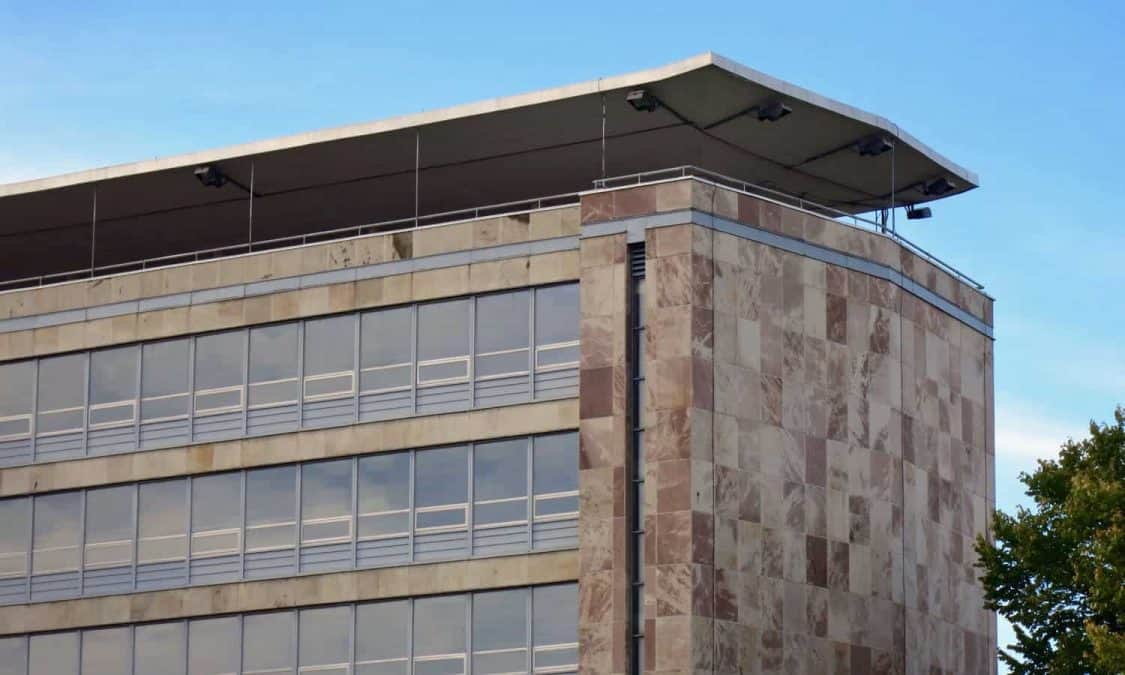
Rehabilitating existing buildings is often the most efficient (in the broadest sense) way to get more value out of what we already have while cutting waste, carbon, and timelines. More than a technical retrofit, it is a way to reposition existing places. Every site carries “embodied character” that is hard to replicate: the social life around it, its role in a neighbourhood, layers of history in the architecture and landscape, and the environmental value already invested in the structure and materials. That sense of what matters is not fixed. We keep interpreting it through today’s needs, standards, and stories. Reuse keeps good bones in play, buys time for longer-term plans, and can refresh tired properties into housing, mixed-use workplaces, community services, or modern program space without losing what makes a place recognizable.
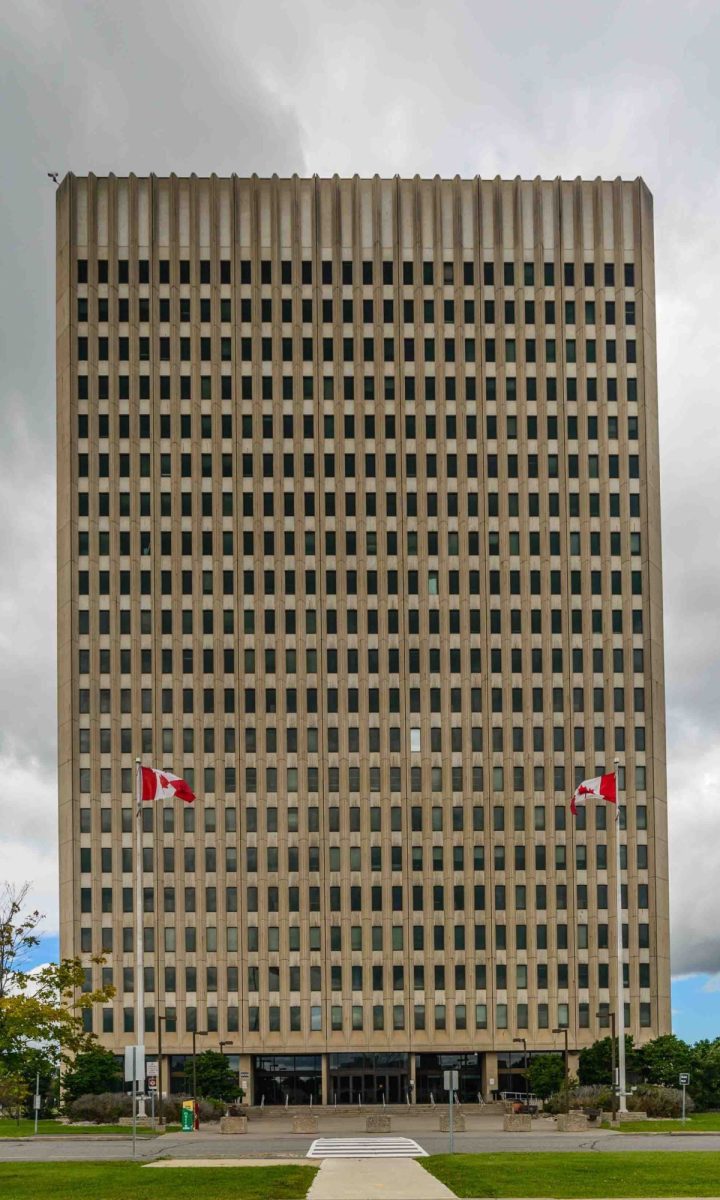
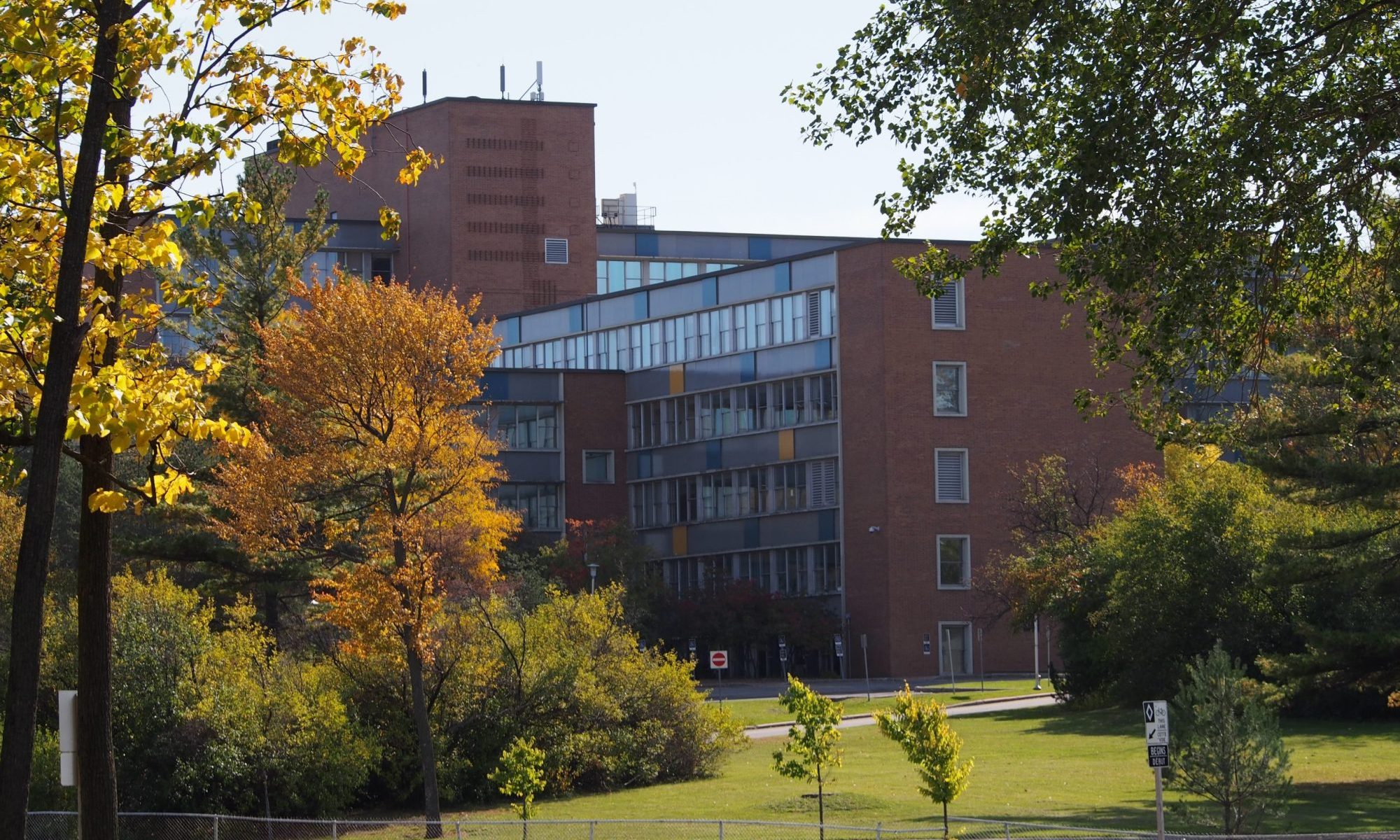
For many sites on disposal lists, the opportunity is to treat them as city-building projects, not just transactions. Start with a quick reuse screen (structure, floor-to-floor heights, envelope, hazardous materials, and code pathways) as is commonly done, then supplement that with a simple “place screen.” What does the site already contribute socially and historically, and what would be lost if it sat empty or was cleared? A place screen can refine our understanding of a place and push discussions in more focused directions as it relates to solution approaches. Some complexes, including parts of Tunney’s Pasture, also raise a practical question: does “disposal” mean no future office use, or could updated workplace space still be part of the end state through new ownership, different tenants, or a modernization model? This new ownership can unlock critical financing required for deep retrofits and adaption of existing resources while levering the embodied character of a place. So much of what drives discussions around places and real estate is financial and it is important not to loose site of this when exploring how to approach places in need of attention. At the same time, there can be creative approaches brought to bear even within the financing of these projects, although with that more complexity can be introduced.
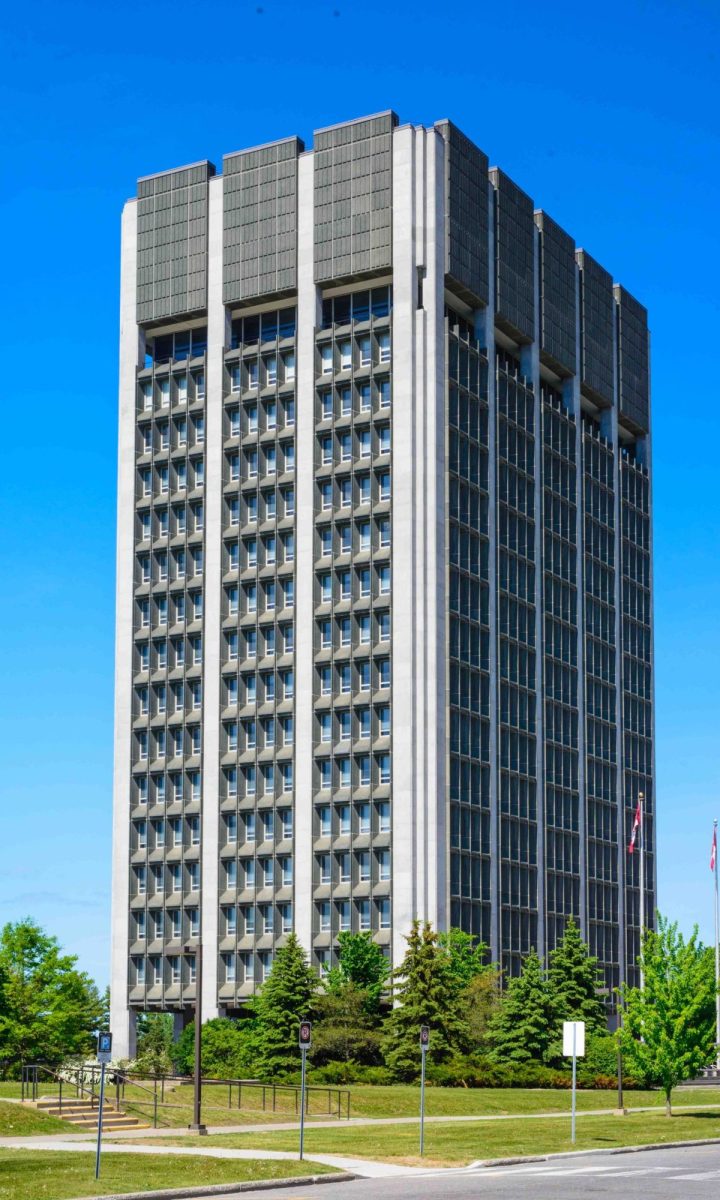
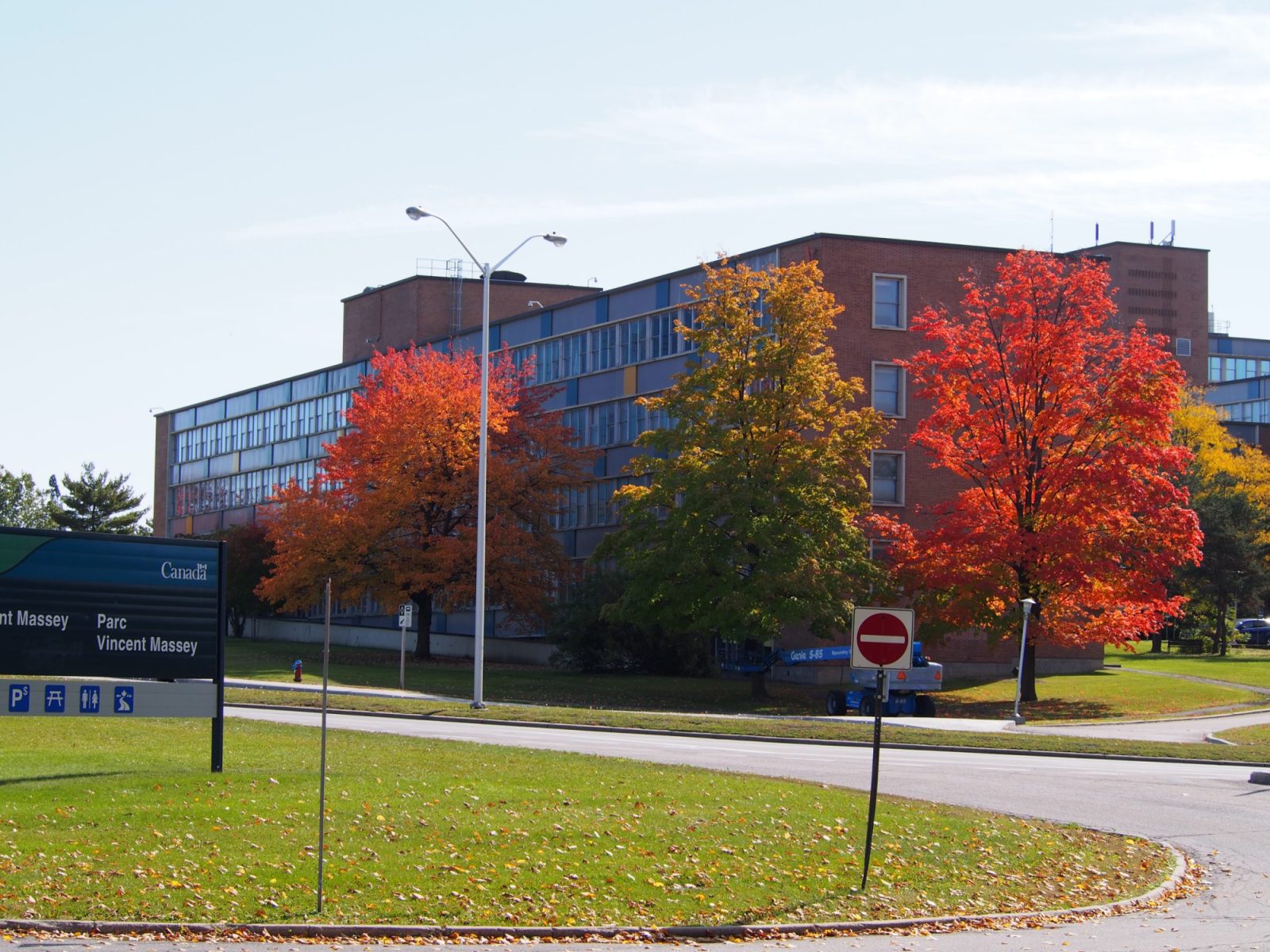
A practical approach is often “both/and”: keep what is worth keeping and use the rest of the site to unlock better outcomes. That is especially true for campuses like Confederation Heights, where large parcels and surface parking can support infill without wiping the slate clean. The goal is to carry forward the site’s working fabric, such as landscape structure, familiar paths, existing services, and everyday patterns of use, while upgrading what no longer performs. Because a “sense of place” is always seen through today’s lens, the right move is usually a mix of rehabilitation and selective updates. A mostly vacant building might stay in place as swing or interim program space, while adjacent land is intensified with housing, new offices built to current standards, childcare, retail, greener streets, and better walking, cycling, and transit connections. Infill can also help pay for deeper retrofits by sharing infrastructure costs, from district energy to stormwater and public-realm upgrades.
In the National Capital Region, the federal office-space issue is rarely just about square metres. It is about performance and experience: deferred maintenance, aging systems, different needs and expectations, along with security constraints have led too many buildings to drop below baseline expectations of the associated workforce. That is why the conversation should extend beyond replacing buildings repositioning places. Keeping and upgrading what works, and refreshing what does not, is a practical way to improve productivity, advance climate goals, and shape better places. Finding ways to implement in more focused ways and spreading out the cost burden further unlock opportunities for improving places.
This article was cross-posted with the TRACE architectures TRACE Journal on Linked In.